

2026 Industry Update: Super Absorbent Polymer Innovations Drive Hygiene Product Evolution & Polyacrylamide Growth
March 7, 2026 – Zhengzhou, China – The global super absorbent polymer (SAP) market is entering a pivotal growth phase in 2026, fueled by rising hygiene awareness, demographic shifts, and breakthroughs in sustainable formulation. Valued at an estimated USD 10.2 billion this year, the market is set to expand at a 4.9% CAGR through 2036, reaching USD 16.4 billion—with Super Absorbent Polymer For Diapers and Super Absorbent Polymer For Pads leading volume growth, and Polyacrylamide emerging as the fastest-growing polymer variant in key segments.
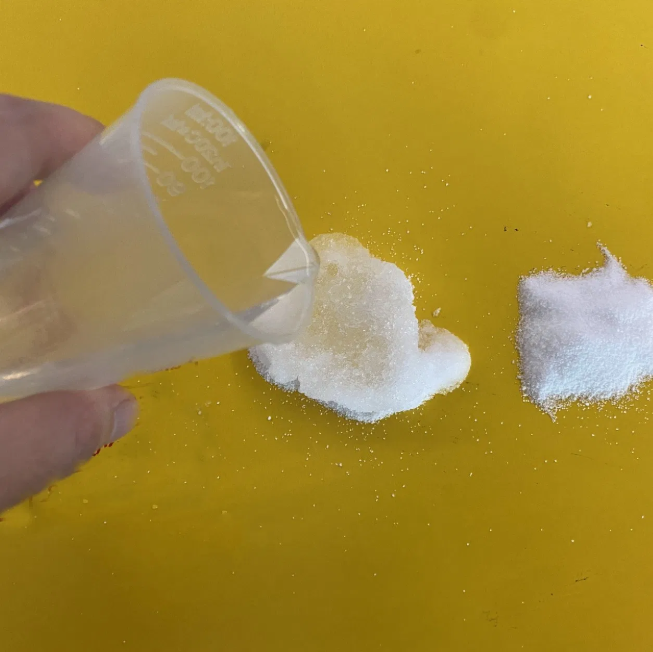
For hygiene manufacturers, 2026 is defined by two priorities: slimmer, high-performance cores and actionable sustainability. Brands are increasingly leaning on advanced SAP to deliver both, with baby diapers alone consuming over 1.6 million metric tons of SAP annually—and demand accelerating at 5.8% year-over-year, driven by emerging market penetration and post-pandemic hygiene habits. Adult incontinence pads, meanwhile, are growing at a 5.45% CAGR, as aging populations in Japan, Europe, and North America shift consumption patterns; Japan’s adult diaper market already surpasses baby diaper sales, a trend mirrored in other developed economies.
Super Absorbent Polymer For Diapers: Thinner Cores, Higher Performance
The most visible shift in diaper design this year is the move to ultra-thin cores, made possible by next-generation Super Absorbent Polymer. Leading brands have increased SAP loading per unit from 8g in 2020 to 12g in 2026, cutting core thickness by 30% compared to 2018 standards while boosting absorption capacity to over 400x the polymer’s weight. This “more with less” approach is non-negotiable for consumers, who prioritize comfort and discretion without compromising leak protection.
Chinese manufacturers are at the forefront of this trend, with domestic SAP accounting for nearly 70% of hygiene product usage in 2026—up from 60% in 2024—driven by feedstock integration and scale efficiencies. Satellite Chemical’s 300-kiloton SAP complex and Changhong Polymer’s propane-route acrylic acid unit exemplify how regional producers are securing supply chains to meet the needs of global diaper brands.
Sustainability is also reshaping diaper SAP. While petroleum-based sodium polyacrylate still holds 90.54% of the market, bio-based and biodegradable blends are moving from lab to shelf. CTK Bio’s patented hydrogel platform, developed with the University of Waterloo, delivers superior saline absorption and retention under load—critical for diaper performance—while showing favorable biodegradation behavior, aligning with EU and North American regulatory pressure for lower-impact materials.
Super Absorbent Polymer For Pads: Precision Design for Feminine Hygiene
Super Absorbent Polymer For Pads is undergoing a similar transformation, with a focus on tailored absorption for different flow levels and body types. Feminine hygiene brands are adopting layered SAP structures: a fast-acting top layer to lock in fluid, and a high-retention core to prevent rewetting—addressing the top complaints from consumers globally.
This segment is also benefiting from SAP’s versatility. Manufacturers are formulating SAP with enhanced wicking properties to distribute fluid evenly across the pad, reducing bulk and improving dryness. For ultra-thin pads, which now dominate the premium segment, surface-cross-linked SAP ensures that absorption speed does not sacrifice structural integrity—even under movement.
In emerging markets like India and Southeast Asia, the adoption of premium pads is rising alongside disposable incomes, driving double-digit growth in SAP demand for this category. Government women’s health programs in these regions are further accelerating uptake, making Super Absorbent Polymer For Pads a key growth driver for SAP producers in 2026 and beyond.
Polyacrylamide: Fastest-Growing Variant, Expanding Beyond Agriculture
While sodium polyacrylate remains king in hygiene, Polyacrylamide is the star of 2026’s growth story, projected to expand at a 6.67% CAGR through 2031—outpacing all other SAP types. Long associated with agriculture, where it improves soil moisture retention by 35% and extends irrigation intervals, polyacrylamide is now making inroads into hygiene and medical applications.
In hygiene products, polyacrylamide blends are being used to enhance gel strength and permeability in adult incontinence pads, where repeated hydration cycles demand durability. Cationic polyacrylamide variants, in particular, are valued for their ability to flocculate fluids, reducing leakage risk in high-absorbency products. For manufacturers, these blends offer a cost-effective alternative to pure sodium polyacrylate without compromising performance.
The medical segment is another bright spot for Polyacrylamide. Its biocompatibility and controlled-release properties make it ideal for wound dressings and drug delivery systems, aligning with the medical SAP segment’s 6.7% CAGR. In cosmetic formulations, non-ionic polyacrylamide is used to create hydrating masks and eye gels, leveraging its hydrogel structure to deliver sustained moisture—blurring the lines between industrial and consumer applications.
2026 Outlook: Balancing Growth, Cost, and Sustainability
As the year progresses, SAP manufacturers face a balancing act: meeting surging demand while managing feedstock volatility (acrylic acid prices are expected to fluctuate between USD 1,050–1,470 per ton in 2026) and investing in sustainable innovation. For hygiene brands, the focus will remain on optimizing SAP usage—using the right polymer for the right application—to reduce costs and environmental impact.
Polyacrylamide will continue to gain share, especially in blended formulations that combine its strengths with sodium polyacrylate’s absorption power. For Super Absorbent Polymer For Diapers and Super Absorbent Polymer For Pads, the future is thin, smart, and sustainable—with SAP at the core of every innovation.
As one regional manufacturer noted, “2026 is not just about selling more SAP; it’s about selling better SAP. The brands that win will be those that pair performance with purpose—and that’s where our focus lies.”
With Asia-Pacific leading both production and consumption, and emerging markets driving volume growth, 2026 is set to be a landmark year for the global SAP industry—one that redefines what’s possible in hygiene, agriculture, and beyond.
Meta Title: 2026 SAP Industry Update: Diapers, Pads & Polyacrylamide Growth | [Your Brand]
Meta Description: Discover 2026’s latest Super Absorbent Polymer innovations for diapers & pads, plus Polyacrylamide’s rapid growth in hygiene, medical, and agricultural applications.