

2026 Water Treatment Update: Polymerized Ferrous Sulfate, Polyaluminum Chloride, Ferric Chloride & Polyacrylamide Lead Coagulation Innovation
March 7, 2026 — Global water treatment operators and industrial plants are accelerating upgrades to meet stricter discharge standards, lower operational costs, and improve sludge management. This year, four core chemicals are reshaping coagulation–flocculation systems: Polymerized Ferrous Sulfate, Polyaluminum Chloride, Ferric Chloride, and Polyacrylamide. Together, they deliver higher efficiency, wider adaptability, and better sustainability for municipal water, industrial wastewater, drinking water pretreatment, and sludge dewatering.
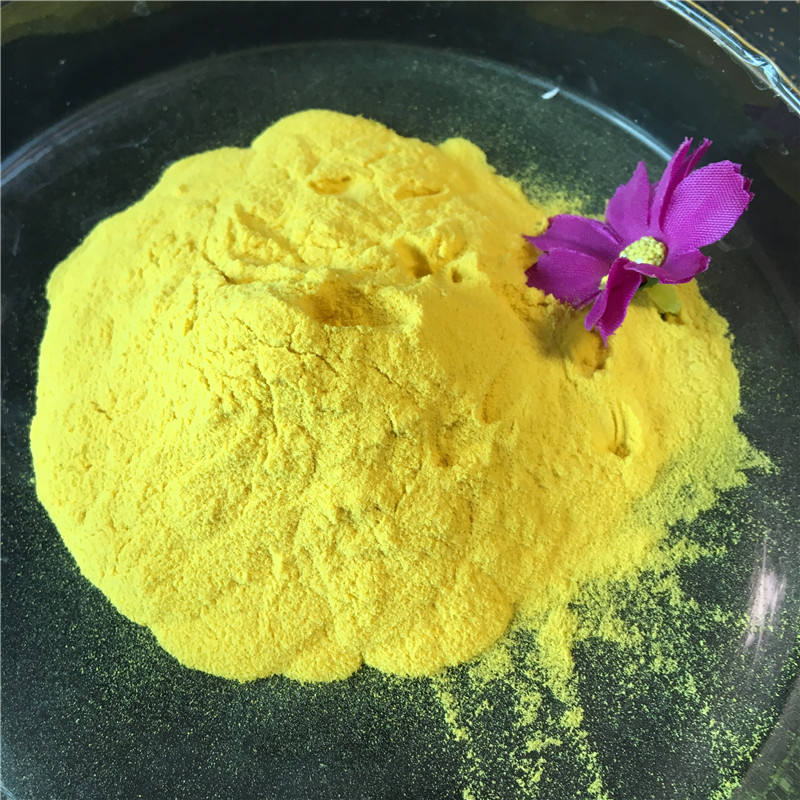
Municipal water systems are shifting toward combined iron–aluminum coagulation to balance performance and cost. Polymerized Ferrous Sulfate has gained strong traction for its stable floc formation, effective phosphorus removal, and low residual metal risk. Many plants now use it as a primary coagulant to reduce total phosphorus below 0.2 mg/L, supporting ecological water reuse and urban reclaimed water projects. Its compatibility with low-temperature and low-turbidity sources makes it ideal for northern and seasonal water systems.
Polyaluminum Chloride remains the top choice for broad‑application coagulation, favored for its wide effective pH range, fast reaction, and low sludge output. Compared with traditional aluminum sulfate, PAC cuts sludge volume by 20–30% and performs reliably in cold water. High‑basicity grades are increasingly specified for drinking water, where tight impurity and heavy metal limits require consistent, low‑residue chemistry. Export demand for industrial‑grade PAC continues to rise across Southeast Asia, the Middle East, and South America, driven by infrastructure expansion and regulatory tightening.
For heavy‑duty industrial wastewater, Ferric Chloride stands out for its strong charge neutralization and exceptional performance in removing color, heavy metals, and high organic loads. It excels in textile, mining, electronics, and chemical processing effluents, where variable water quality demands robust coagulation. Many facilities pair it with secondary polymers to boost settling speed and clarify difficult streams, supporting closed‑loop water recycling and zero‑liquid‑discharge goals.
Polyacrylamide serves as the critical flocculant aid that ties the system together. Cationic, anionic, and nonionic grades match different coagulant chemistries to enlarge flocs, speed sedimentation, and improve dewatering. In sludge management, PAM significantly reduces cake moisture content, cutting transportation and disposal costs. It also enhances clarification in circulating water, river intake, and reverse osmosis pretreatment, protecting membranes and extending equipment life.
Field‑proven combinations are becoming standard: Polyaluminum Chloride or Ferric Chloride for primary coagulation; Polymerized Ferrous Sulfate for phosphorus control and iron‑based polishing; and Polyacrylamide as the final flocculation booster. This staged approach optimizes dosage, reduces overall chemical use, and maintains stable effluent quality even under fluctuating conditions.
As 2026 progresses, manufacturers continue refining particle size, solubility, and purity to support automated dosing and remote monitoring. Low‑heavy‑metal, food‑grade, and drinking‑water‑grade versions expand use into sensitive sectors including food processing, electronics, and pharmaceutical water systems.
For engineers, procurement teams, and plant managers, selecting the right coagulant combination directly impacts compliance, efficiency, and bottom‑line results. This year’s industry trend clearly favors the integrated use of Polymerized Ferrous Sulfate, Polyaluminum Chloride, Ferric Chloride, and Polyacrylamide to build resilient, cost‑effective, and future‑proof water treatment systems.
Want tailored dosage recommendations, product datasheets, or bulk supply support? Explore our full lineup: Polymerized Ferrous Sulfate, Polyaluminum Chloride, Ferric Chloride, and Polyacrylamide.