

2026 Water Treatment Chemicals: Latest Trends in Disinfection & Flocculation
As global water management standards keep rising in 2026, Water Treatment Chemicals are evolving toward higher stability, lower dosage, and wider compatibility. Municipal systems, industrial plants, swimming pools, and recycling facilities all rely on proven chemistries to balance efficiency, safety, and compliance.
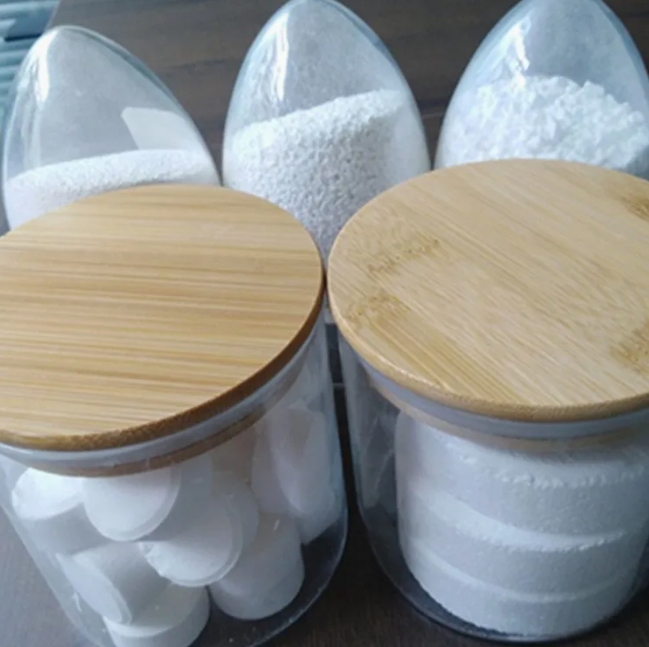
Sodium Trichloroisocyanurate remains one of the most widely used disinfectants for its stable chlorine release and long-lasting effect. It is widely applied in circulating water, sewage treatment, public swimming pools, and aquaculture, effectively controlling bacteria, algae, and biofilm while reducing frequent dosing.
Trichloroisocyanuric Acid offers strong disinfection performance with high available chlorine content. Its compact and easy‑to‑store form makes it popular for industrial water, rural water supply, and emergency disinfection scenarios. It supports consistent microbial control under varying temperature and pH conditions.
Sodium Dichloroisocyanurate provides fast and reliable disinfection with good solubility. It is widely chosen for daily water sanitation, hospital wastewater, and food processing water systems. Its milder properties and easy handling make it suitable for small‑scale and decentralized treatment setups.
Polyacrylamide plays an irreplaceable role as a high‑efficiency flocculant. It accelerates solid‑liquid separation in municipal wastewater, mining slurry, textile effluent, and sludge dewatering. Different ionic types adapt to diverse water qualities, improving clarity while cutting treatment time and sludge volume.
In 2026, smart dosing and automated monitoring help operators optimize the use of Sodium Trichloroisocyanurate, Trichloroisocyanuric Acid, Sodium Dichloroisocyanurate, and Polyacrylamide. These core Water Treatment Chemicals form a complete solution that meets today’s strictest environmental and operational demands.