
Water Treatment Chemicals in 2026: Efficiency, Compliance & Sustainability
The global market for Water Treatment Chemicals continues its steady expansion in 2026, driven by stricter environmental regulations, industrial water reuse targets, and growing municipal water safety demands. Across Asia, the Americas, Europe, and Africa, operators are prioritizing high-performance, cost-effective chemistries that balance purification power with operational stability.
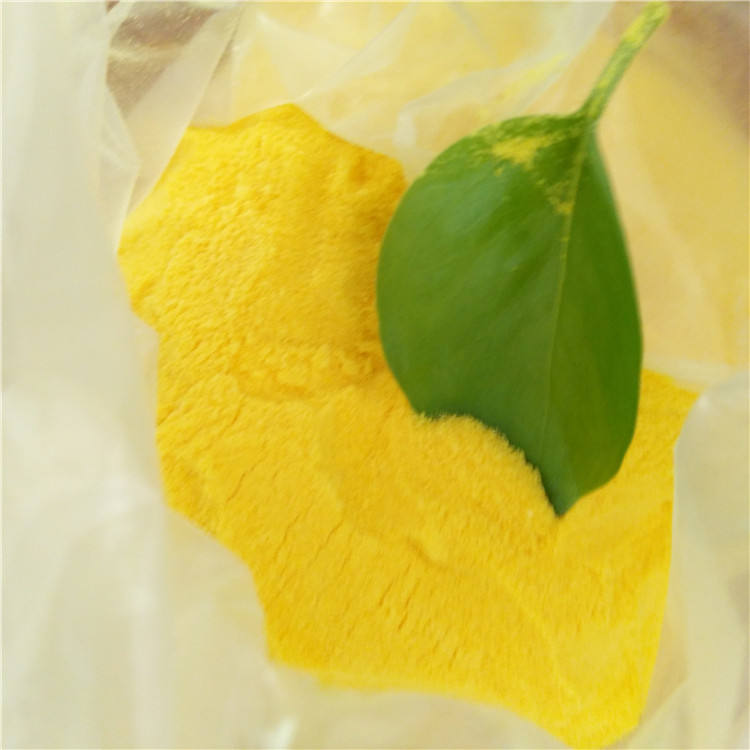
Polyaluminum Chloride (PAC) remains the most widely adopted coagulant for municipal and industrial wastewater systems. Its wide pH compatibility, fast floc formation, and low sludge output make it ideal for treating river water, industrial effluent, and drinking water. Modern high-basicity grades deliver stronger turbidity and COD removal while reducing overall chemical dosage, supporting plant efficiency and sustainability goals.
Defoaming Agents are essential in pulp and paper, textile dyeing, food processing, and biorefinery applications. By rapidly suppressing foam during aeration, mixing, and filtration stages, these agents prevent overflow, maintain equipment stability, and shorten treatment cycles. High-temperature-resistant and silicone-free formulations are gaining traction for heavy-duty industrial circuits.
Trichloroisocyanuric Acid stands out as a reliable, slow-release disinfectant for swimming pools, cooling towers, sewage disinfection, and livestock water systems. Its high available chlorine content ensures long-lasting microbial control, reducing recontamination risks and simplifying daily maintenance for commercial and municipal users.
Sodium Gluconate serves as a versatile chelating agent and scale inhibitor in boiler water, cooling water, and construction concrete applications. It effectively sequesters metal ions, prevents scale deposition, and protects pipelines and heat exchangers from corrosion. Its biodegradable profile supports green compliance in eco-sensitive operations.
In 2026, the integration of smart dosing and real-time monitoring allows plants to optimize usage of these core Water Treatment Chemicals, cutting waste and improving consistency. Manufacturers are also advancing eco-friendly grades to meet low-carbon and circular economy targets. For industrial and municipal operators alike, combining Polyaluminum Chloride, Defoaming Agents, Trichloroisocyanuric Acid, and Sodium Gluconate creates a reliable, cost-efficient treatment workflow that adapts to evolving regulatory and operational needs.