

2026 Industrial Water Treatment Update: Key Chemicals Driving Efficiency & Compliance
As global industries face tighter discharge rules and higher operational targets in 2026, specialty water treatment chemicals remain central to stable production, cost control, and environmental compliance. Manufacturers and plant operators are focusing on reliable, multi-purpose solutions that perform consistently across cooling systems, wastewater lines, disinfection stages, and process circuits.
Defoaming Agents continue to be essential in wastewater treatment, pulp and paper, textile dyeing, and chemical processing. Modern low-foam and fast-acting formulations reduce overflow risks, stabilize mixing tanks, and improve overall process speed without affecting downstream treatment chemistry. Plants are switching to heat-resistant and eco-friendly grades for longer service life and safer daily handling.
Polyacrylamide (PAM) remains the top choice for flocculation and sludge dewatering. With anionic, cationic, and non-ionic variants available, it adapts to municipal wastewater, industrial effluent, mining slurry, and river water clarification. Higher-purity grades deliver better solid-liquid separation, lower sludge volume, and reduced chemical dosage, supporting both cost savings and compliance.
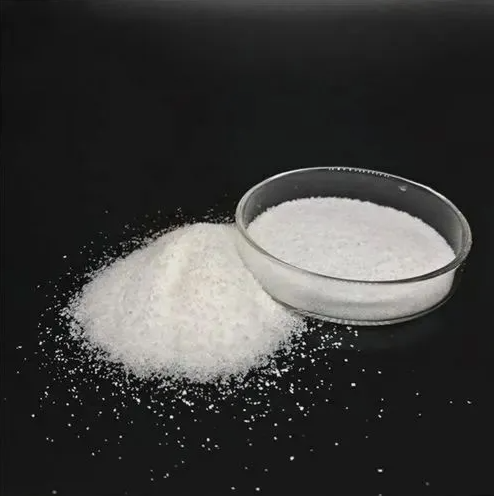
Sodium Gluconate serves as a high-performance chelating agent and scale inhibitor for boiler water, cooling towers, and construction applications. It binds metal ions, prevents scale buildup, and protects pipelines and heat exchangers from corrosion. Its biodegradable nature makes it popular for green-certified systems and eco-sensitive industrial zones.
Thiourea is widely used in metal processing, photographic chemicals, and industrial synthesis, with auxiliary applications in water treatment for pH adjustment and chelation. Its stable chemical properties support process consistency in complex manufacturing environments, where precise control directly impacts product quality.
Sodium Dichloroisocyanurate and Sodium Trichloroisocyanurate lead as stable, slow-release disinfectants for municipal water, swimming pools, cooling tower biocontrol, and sewage disinfection. They provide long-lasting bacteria and algae control with high available chlorine content, lowering labor and re-dosing costs for facility managers.
In 2026, smart dosing systems and real-time monitoring help plants optimize the use of Defoaming Agents, Polyacrylamide, Sodium Gluconate, Thiourea, Sodium Dichloroisocyanurate, and Sodium Trichloroisocyanurate. Combined with cleaner, more stable formulations, these chemicals form a complete, cost-effective treatment package that meets today’s industrial and regulatory demands.