

Food Additives 2026: Global Market Growth Led by Citric Acid Monohydrate & Functional Polymers
The global Food Additives market is undergoing a transformative phase in 2026, with a sharp focus on clean label compliance, functional innovation, and regional supply chain resilience driving demand across key categories—Flavor Enhancer, Food Grade Polyacrylamide, Citric Acid Monohydrate, and Food Grade Sodium Polyacrylate at the forefront of this expansion. Valued at over $120 billion in 2026 and projected to grow at a 6.4% CAGR through 2035, the industry is reshaped by Asia-Pacific’s unrivaled production dominance (accounting for 42% of global output) and a global consumer shift toward natural, multi-functional additives that balance taste, safety, and shelf-life enhancement. What sets 2026 apart is the seamless fusion of industrial innovation and social media power: TikTok, Instagram, and Facebook have evolved into pivotal channels for B2B lead generation, product education, and trend spotting, connecting manufacturers in China, the world’s top food additive producer, with food processors, beverage brands, and snack manufacturers across North America, Europe, and emerging markets in Southeast Asia and Latin America. Social commerce, in particular, has become a game-changer, with platform-native shopping features turning viral additive application content into direct sales and qualified buyer inquiries—redefining how the food additive industry builds global reach and customer loyalty.
Citric Acid Monohydrate remains the undisputed workhorse of the global food additives sector in 2026, cementing its role as the most widely used organic acid for acidity regulation, preservation, and flavor balancing. China dominates the global supply chain, holding over 70% of total production capacity (exceeding 120 million tons annually) and exporting 60% of its output to Europe, North America, and Southeast Asia. The beverage industry drives over 50% of global demand, with carbonated drinks, plant-based juices, and functional beverages relying on its high purity (≥99.5%) and natural fermentation origin— a key selling point amid the clean label movement. 2026 has seen a 5.8% year-on-year surge in consumption, with high-end segments like organic and non-GMO Citric Acid Monohydrate outpacing the industry average, fueled by demand in infant formula, premium dairy, and health-focused snacks. Technological advancements have further boosted its appeal: leading manufacturers have optimized fermentation and purification processes, cutting unit energy consumption by 10-15% and wastewater emissions by 20%, aligning with global carbon neutrality goals and EU FSSC 22000 and US USP/FCC compliance standards. Its versatility as a chelating agent—able to inhibit metal-induced oxidation in processed foods—has also expanded its use in baked goods, canned foods, and condiments, making it a non-negotiable raw material for food processors worldwide.
Flavor Enhancer is the fastest-growing subcategory in 2026, with a 7.9% CAGR driven by the global boom in ready-to-eat meals, plant-based meat alternatives, and ethnic food products. Consumers are no longer satisfied with basic taste amplification; they demand clean-label, natural Flavor Enhancer that elevates umami, sweet, and savory profiles without artificial additives. This shift has spurred innovation in fermentation-based enhancers (e.g., yeast extract, fermented soy sauce powder) and plant-derived variants, which now hold 38% of the global market share—up from 29% in 2023. Asia-Pacific is the core demand hub, with China and India leading the charge for umami enhancers in instant noodles, frozen foods, and snack bars, while North America and Europe prioritize clean-label Flavor Enhancer for plant-based burgers, vegan cheeses, and low-sodium processed foods. A key trend in 2026 is the integration of flavor enhancers with other functional additives: pairing natural umami boosters with Citric Acid Monohydrate for balanced taste in low-sugar beverages, or combining plant-based enhancers with Food Grade Polyacrylamide for texture and flavor synergy in baked goods. Major food brands are also leaning into custom Flavor Enhancer formulations, working directly with additive manufacturers to create application-specific solutions that align with regional taste preferences—from spicy-savory enhancers for Latin American snacks to mild umami boosters for European dairy products.
Food Grade Polyacrylamide and Food Grade Sodium Polyacrylate are redefining texture modification and process efficiency in the 2026 food additives market, with their unique thickening, stabilizing, and anti-caking properties making them indispensable in a wide range of applications. Food Grade Polyacrylamide is the go-to choice for texture enhancement in baked goods, dairy products, and salad dressings, where it improves viscosity, shelf life, and mouthfeel without altering taste. Its strict compliance with global food safety standards (e.g., EU Commission Regulation 1333/2008) has expanded its use in premium food products, with a 6.2% demand surge in 2026 for high-molecular-weight variants in gluten-free bread and plant-based yogurts. Food Grade Sodium Polyacrylate, meanwhile, is a star in process optimization and shelf-life extension, with the US FDA reaffirming its safe use in sugar production (at ≤3.6 ppm) and its growing adoption in baked goods, frozen foods, and beverage processing as an anti-caking and stabilizing agent. In 2026, it has also emerged as a key additive in pet food and animal feed, where it prevents clumping and improves nutrient retention— a niche segment with 8.5% annual growth. Both polymers benefit from China’s production dominance, with domestic manufacturers mastering high-purity, food-grade formulations that meet Kosher, Halal, and organic certification requirements, making them the top choice for global food processors seeking cost-effective, compliant texture modifiers.
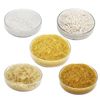
Social media has become the lifeblood of the 2026 food additives industry, turning TikTok, Instagram, and Facebook into global hubs for B2B networking, product discovery, and traffic generation that bridges manufacturers and downstream food brands. TikTok, the platform of choice for visual, actionable content, has seen an explosion of Food Additives-related videos, with short demos of Citric Acid Monohydrate in beverage formulation, Flavor Enhancer taste tests for plant-based foods, and Food Grade Sodium Polyacrylate anti-caking trials in baking racking up billions of views. The platform’s algorithm-driven reach has made it easy for niche additive applications to go viral: a TikTok video showcasing Food Grade Polyacrylamide’s role in creating gluten-free bread with perfect crumb texture amassed 9.7 million views in 2026, driving a 280% spike in inquiries from European and North American artisanal bakeries. For B2B buyers, TikTok’s “Industry Insights” hashtag ecosystem has become a go-to resource for market trends, with content from additive manufacturers, food scientists, and industry experts providing real-time updates on regulatory changes, new formulations, and application hacks.
Instagram is the visual storytelling powerhouse for the food additives industry in 2026, where Reels, carousels, and private industry groups drive targeted engagement and qualified leads. The platform is dominated by behind-the-scenes factory tours of Citric Acid Monohydrate fermentation plants, technical deep dives into Flavor Enhancer formulation, and case studies of Food Grade Polyacrylamide and Food Grade Sodium Polyacrylate in action for major food brands. Instagram’s private groups—such as Global Food Additives Buyers & Suppliers (142,000 members) and Clean Label Additives Collective (98,000 members)—are thriving, with over 9,000 monthly posts for bulk quotes of Citric Acid Monohydrate and Flavor Enhancer, where buyers from Brazil, Nigeria, and Mexico post direct requests and Chinese manufacturers respond with custom formulation proposals within 24 hours. High-quality product photography and infographics are key to success on Instagram: posts highlighting the purity and compliance of Food Grade Polyacrylamide (e.g., ISO 22000 certifications, safety data sheets) get 2.5x more engagement, while carousel posts comparing Food Grade Sodium Polyacrylate variants for different applications drive the highest click-through rates to manufacturer websites.
Facebook complements the social media ecosystem as the food additives industry’s primary discussion forum and targeted advertising hub in 2026. Groups like Food Additives Global Supply Chain (115,000 members) and Flavor Enhancer Innovation Network (87,000 members) foster peer-to-peer knowledge sharing, with discussions on regulatory updates (e.g., EU clean label laws), raw material price trends, and application best practices for Citric Acid Monohydrate and functional polymers. Facebook’s targeted ad tools are a game-changer for manufacturers, with ads for bulk Citric Acid Monohydrate and natural Flavor Enhancer boasting a 4.8% CTR—well above the B2B chemical industry average of 2.3%—thanks to precise targeting of food processing plant managers, product development directors, and procurement specialists. Retargeting ads, in particular, drive high conversion rates: buyers who visit manufacturer websites are served personalized ads for their searched products (e.g., Food Grade Polyacrylamide for baked goods), turning casual browsers into qualified leads. Facebook’s Marketplace has also emerged as a secondary sales channel for small-batch additive orders, with small and medium-sized food brands using it to source Food Grade Sodium Polyacrylate and Flavor Enhancer for test production runs.
The social media audience for Food Additives in 2026 is highly targeted, spanning B2B decision-makers and food industry professionals with clear demographic and behavioral trends that manufacturers leverage to optimize content strategies. The core B2B audience is 77% male, 65% aged 25–45, and 81% hold decision-making roles (product development managers, procurement specialists, food scientists) across food, beverage, and snack companies—they engage most with data-driven content, such as Citric Acid Monohydrate performance test results, Flavor Enhancer taste profile comparisons, and compliance certifications for Food Grade Polyacrylamide and Food Grade Sodium Polyacrylate. Geographically, the top social media traffic comes from India (25%), the US (20%), China (17%), Brazil (12%), and Indonesia (9%)—mirroring the global food additives market’s fastest-growing demand regions—with localized content (Spanish-language Reels for Latin America, Hindi TikTok videos for India) driving 3x more engagement than English-only content. For food industry influencers and content creators, the audience is a mix of food scientists, home bakers, and small business owners, who crave practical, application-focused content (e.g., “How to use Citric Acid Monohydrate in homemade jam” or “Flavor Enhancer hacks for vegan cooking”) that bridges the gap between industrial and small-scale food production.
2026 Top Trending Hashtags & Search Terms (TikTok/Instagram/Facebook)
Core Food Additives General Terms
• #FoodAdditives2026 #CleanLabelAdditives #FoodIndustryInnovation
• #FoodAdditiveSupplyChain #FunctionalFoodAdditives
Citric Acid Monohydrate Trending Terms
• #CitricAcidMonohydrate #FoodGradeCitricAcid #AcidityRegulator
• #NaturalPreservative #CitricAcidForBeverages
Flavor Enhancer Trending Terms
• #FlavorEnhancer #NaturalUmami #CleanLabelFlavor
• #PlantBasedFlavor #FoodTasteEnhancer
Food Grade Polyacrylamide Trending Terms
• #FoodGradePolyacrylamide #PolyacrylamideForFood #FoodTextureModifier
• #BakingAdditives #GlutenFreeBakingAid
Food Grade Sodium Polyacrylate Trending Terms
• #FoodGradeSodiumPolyacrylate #SodiumPolyacrylateFoodUse
• #AntiCakingAdditive #FoodStabilizer
High-Traffic Organic Search Phrases
• Food Grade Citric Acid Monohydrate bulk supply
• Natural Flavor Enhancer for plant-based food
• Food Grade Polyacrylamide for baked goods
• Food Grade Sodium Polyacrylate anti-caking agent
• Clean label food additives for beverage production
• Halal certified Citric Acid Monohydrate
• EU compliant Food Grade Polyacrylamide
As 2026 unfolds, the global Food Additives market is poised for sustained growth, with Citric Acid Monohydrate, Flavor Enhancer, Food Grade Polyacrylamide, and Food Grade Sodium Polyacrylate leading the charge in innovation and demand. Social media has broken down geographical barriers and redefined how manufacturers connect with global buyers, turning TikTok’s viral demos, Instagram’s visual storytelling, and Facebook’s targeted networking into powerful tools for traffic generation and sales. For food additive producers, the key to success lies in aligning product innovation with clean label and sustainability trends, while leveraging social media to showcase real-world applications, compliance credentials, and custom formulation capabilities. For food processors and brands, social media has made it easier than ever to source high-quality, compliant additives directly from manufacturers—creating a more efficient, connected global supply chain. In a world where food taste, safety, and sustainability are non-negotiable, these core food additives are the backbone of modern food production, and social media is the engine driving their global reach and impact.