

2026 Industrial Water Treatment Trends: High‑Efficiency Chemicals for Global Operations
As industries worldwide push for lower operational costs and stricter environmental compliance in 2026, water treatment and process chemicals remain essential for daily production. Manufacturers and plant operators are increasingly focusing on stable supply, high purity, and versatile performance. Below is a look at four key products shaping current industrial solutions: Polyaluminum Chloride, Polymerized Ferrous Sulfate, Trichloroisocyanuric Acid, and Thiourea.
Polyaluminum Chloride (PAC) continues to be one of the most widely used coagulants in both municipal drinking water and industrial wastewater. Its strong flocculation ability, fast settling speed, and wide adaptability to different water temperatures make it ideal for factories, mines, and urban water systems. Many treatment plants now prefer high‑basicity PAC to reduce sludge output and overall chemical dosage, improving efficiency while cutting operating expenses.
Polymerized Ferrous Sulfate (PFS) offers excellent performance in decolorization, COD removal, and heavy metal treatment. It works especially well in printing, dyeing, and industrial wastewater where color and organic pollutants are major concerns. Compared with traditional ferric sulfate, PFS produces less corrosive residue and is easier to store and transport. More operators are combining PFS with organic flocculants to achieve better clarification at a lower cost.
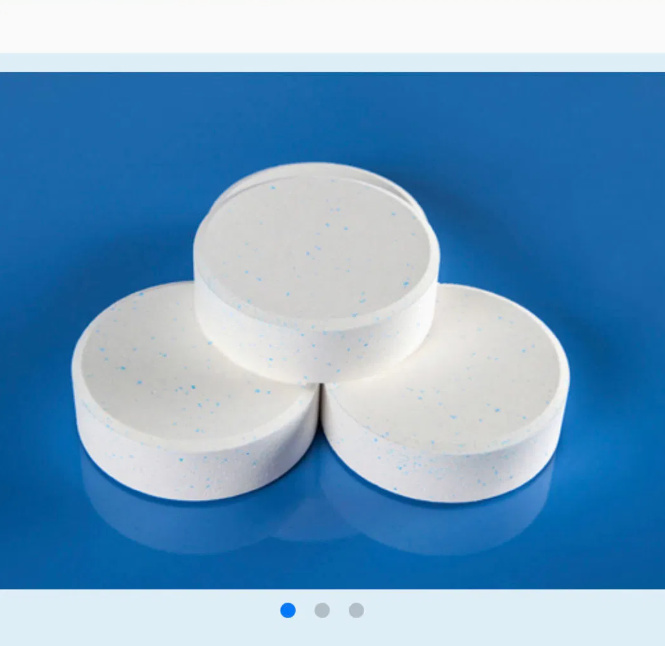
Trichloroisocyanuric Acid (TCCA) remains a top choice for safe, long‑lasting disinfection. Used in swimming pools, cooling water systems, recycled water, and livestock farming, TCCA provides stable chlorine release and strong bactericidal effects. Its tablet and granular forms are convenient for dosing and reduce manual labor. Modern high‑purity TCCA minimizes unwanted byproducts, meeting strict health and environmental standards for public and industrial use.
Thiourea serves as a critical raw material across multiple industries, including pharmaceuticals, electroplating, metal processing, and dye manufacturing. As a high‑value chemical intermediate, it supports advanced synthesis and purification processes. With the growth of electronics and fine chemical industries, demand for high‑grade thiourea has steadily increased. Reliable quality and consistent supply have become key factors for global buyers.
In 2026, businesses are looking for chemical partners that offer stable pricing, on‑time delivery, and technical support. By choosing the right combination of Polyaluminum Chloride, Polymerized Ferrous Sulfate, Trichloroisocyanuric Acid, and Thiourea, industrial operators can maintain efficient, compliant, and cost‑effective operations.