

2026 Industrial Chemicals Update: Core Solutions for Water, Construction & Disinfection
March 19, 2026
Global industrial workflows are sharpening efficiency and compliance in early 2026, pushed by stricter discharge rules, infrastructure expansion, and sustainability mandates. Four high-impact chemicals are leading upgrades across municipal water, construction, and manufacturing sectors: Aluminum Sulfate, Sodium Gluconate, Sodium Dichloroisocyanurate, and Defoaming Agents.
Aluminum Sulfate remains the backbone of cost-effective water clarification. Driven by global municipal infrastructure upgrades, it dominates as a primary coagulant for drinking water and wastewater, efficiently removing turbidity, phosphorus, and suspended solids. Its low cost and regulatory familiarity drive strong adoption in emerging markets, while high-purity grades excel in pulp & paper pH regulation and textile dye fixation. New non-ferric variants minimize unwanted iron in colored water, boosting taste and clarity without increasing sludge footprint. The market is on track for 3.1% CAGR through 2034, supported by urbanization and tighter effluent standards.
Sodium Gluconate is a versatile workhorse across construction, water treatment, and food processing. As a high-performance set retarder and water reducer, ~65% of global output fuels concrete admixtures, supporting megaprojects in the Middle East, India, and Southeast Asia. Its biodegradable chelating properties make it ideal for scale inhibition and corrosion control in industrial water systems, while food-grade variants ensure stability in beverages and pharmaceuticals. With growing demand for green additives, the market is projected to reach USD 856.1 million by 2032, with 3.7% CAGR.
Sodium Dichloroisocyanurate (SDIC) sets the standard for stable, low-corrosion disinfection. Unlike liquid bleaches, its tablet/granular forms deliver long-lasting, controlled chlorine release, ideal for cooling towers, recycled water, and public sanitation. Near-neutral pH minimizes equipment wear, making it preferred for industrial and institutional use. SDIC is approved by the WHO for emergency water disinfection, with demand rising in public health missions and disaster relief programs. Innovations in slow-dissolve formulations and low-residue grades address environmental concerns, while sustainable manufacturing cuts能耗 by ~22%.
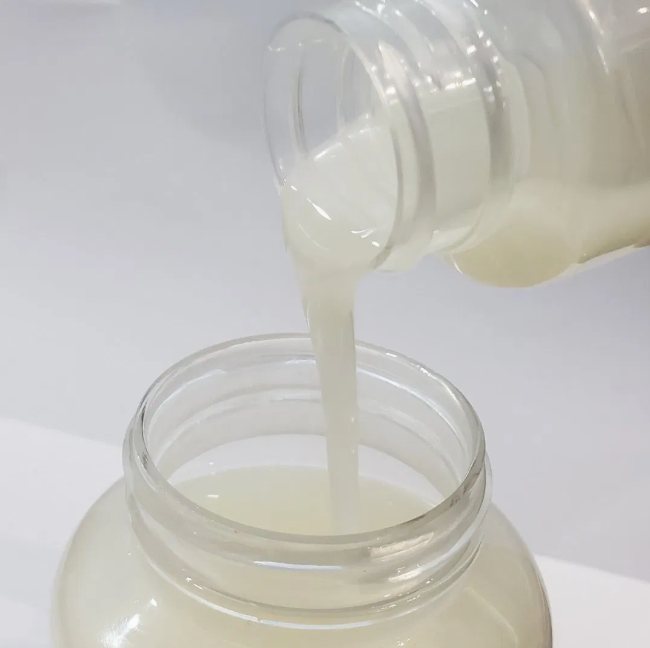
Defoaming Agents are critical for unblocking process efficiency in high-foam environments. Silicone-polyether hybrids dominate biopharma and fermentation, offering stability across pH variations and reducing dosing by up to 40%. For industrial water and textiles, mineral-oil based variants with improved anti-settling technologies prevent foam in dyeing and recycling lines. Low-VOC, bio-based options are gaining traction in coatings and food manufacturing, aligning with REACH and EPA regulations. Nanoparticle-enhanced dispersions and AI-optimized delivery systems are boosting efficiency in smart factories, ensuring proactive foam control.
Engineers and plant managers are combining these chemicals to build modular, cost-effective lines that adapt to varying influent and regulatory limits. Whether upgrading a municipal water plant, optimizing concrete infrastructure, or scaling disinfection and foam control, these four materials deliver proven performance and long-term value.
As 2026 sustainability mandates tighten, expect further advances in eco-friendly formulations and circular manufacturing practices to strengthen the role of Aluminum Sulfate, Sodium Gluconate, Sodium Dichloroisocyanurate, and Defoaming Agents in global industrial operations.