

Q1 2026 Water Treatment Chemicals Update: Key Products & Market Shifts
As global water reuse rules tighten and industrial output keeps rising, core treatment chemicals stay in steady demand across municipal, mining, oil & gas, and textile sectors. This roundup covers real‑world usage, supply notes, and application trends for five widely sourced chemicals that keep operations compliant and efficient.
Polyacrylamide remains a top pick for flocculation and sludge dewatering in both municipal wastewater and heavy industry. Anionic and cationic grades serve different needs: anionic works well for mining sediment and industrial effluent, while cationic performs better in organic‑heavy sludge. Many plants pair it with other coagulants to cut overall dosage and lower sludge disposal costs. Demand has climbed in early 2026 as more EOR projects and paper mills stick to consistent dosing schedules.
Polyaluminum Chloride continues to lead in coagulation for drinking water and wastewater clarification. Its stable performance over a wide pH range and lower residual aluminum make it preferred over conventional options for plants chasing stricter discharge limits. It is widely used in pre‑treatment for membrane systems to reduce fouling, especially in desalination and industrial recycling loops. Suppliers report steady orders from urban water utilities and textile dyeing facilities through the first quarter.
Ferric Chloride holds its place in phosphorus removal and heavy metal precipitation, especially in industrial wastewater streams with high organic load. It is often selected where strong oxidation and coagulation are needed together, such as in chemical plant effluent and landfill leachate treatment. Users note reliable performance even in colder conditions, supporting consistent output in northern production hubs.
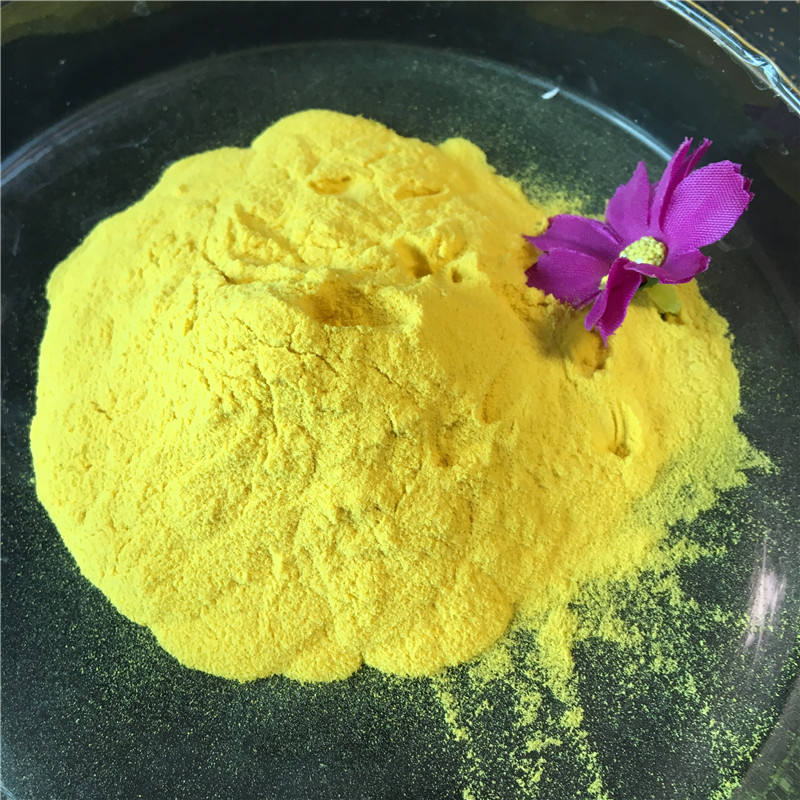
Aluminum Sulfate remains a cost‑effective staple for basic coagulation and turbidity control in municipal water systems. It is easy to store and handle, making it popular for small‑scale plants and rural water projects. While newer polymers gain share in high‑load applications, this classic product keeps steady demand due to wide availability and predictable pricing for routine treatment tasks.
Beyond water treatment, Thiourea serves critical roles in metal processing, textile auxiliary systems, and industrial cleaning. It acts as a reducing agent and intermediate in several manufacturing chains, supporting stable production in plating, paper, and specialty chemical lines. Its quality consistency directly affects downstream yield, so buyers prioritize certified grades with tight impurity controls.
Market observers say raw material pricing and logistics stability will shape pricing through Q2 2026. Buyers are focusing on long‑term supply agreements and graded inventory to avoid disruptions. For plant managers, matching chemical grade to actual water profile still delivers the best balance of compliance and cost control.