

Title: Global Chemical Market Insights: Supply Chain Shifts & New Opportunities for Industrial Chemicals in Q1 2026
Article:
Global Chemical Market Insights: Supply Chain Shifts & New Opportunities for Industrial Chemicals in Q1 2026
As we move into the spring of 2026, the global industrial chemical sector is witnessing a dynamic landscape shaped by ongoing geopolitical adjustments, regional infrastructure booms, and a renewed focus on sustainable manufacturing practices. For businesses operating in sectors ranging from water treatment to oilfield chemistry, understanding the nuanced shifts in supply chains, pricing trends, and regulatory updates is crucial for maintaining a competitive edge.
1. Regional Supply Chain Restructuring Impacts Logistics Costs
One of the most significant stories in the industry this quarter is the ongoing realignment of trade routes. Particularly in Southeast Asia and parts of Africa, local governments are accelerating investments in public utilities, which has led to a surge in demand for core water treatment chemicals. According to recent market reports, Polymerized Ferrous Sulfate and Aluminum Sulfate have remained top-tier commodities due to their high efficiency in coagulation and flocculation processes.
However, logistics remain a challenging variable. Freight costs from origin ports to key destinations in South America have seen slight fluctuations due to regional port congestion and insurance premiums. For suppliers and buyers alike, optimizing logistics plans and securing favorable CIF (Cost, Insurance, and Freight) agreements have become more important than ever to protect profit margins.
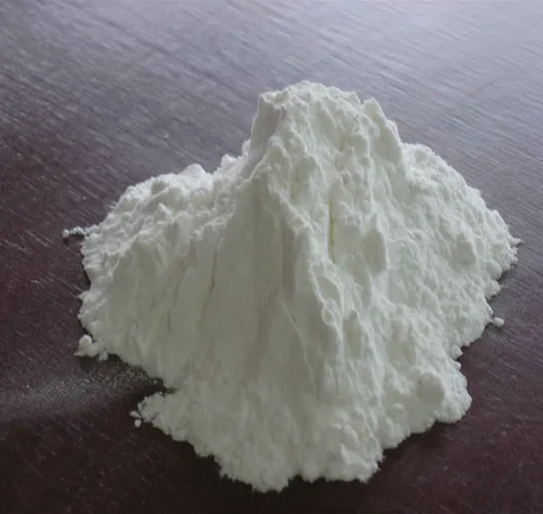
2. Surge in Disinfectant Demand Drives Tighter Supply for TCCA and SDIC
The public health and hygiene sectors continue to be major drivers for specialty chemicals. In Q1 2026, several regions in Europe and Southeast Asia have reported increased awareness of waterborne diseases, prompting municipal water treatment plants and commercial swimming pool operators to stock up on high-grade disinfectants.
This trend has created a strong demand for Trichloroisocyanuric Acid (TCCA) and Sodium Dichloroisocyanurate (SDIC). Market sources indicate that while production capacities have expanded to meet demand, the quality standards for these products remain extremely high. Buyers are increasingly prioritizing suppliers who can provide certified quality documentation to ensure compliance with local environmental and safety norms.
3. Oilfield Chemistry: The Role of Thiourea in Enhanced Oil Recovery
Amidst stable global oil prices, the oil and gas industry is exploring enhanced oil recovery (EOR) techniques to optimize production from mature fields. Here, Thiourea plays a vital role as a reducing agent and scale inhibitor. Its unique chemical properties make it an essential component in preventing scale buildup in pipelines and equipment, thereby reducing maintenance costs and extending equipment lifespan.
Industry analysts predict that demand for high-purity Thiourea will remain robust in the coming quarters, especially in regions with extensive existing oil infrastructure. This presents a clear opportunity for chemical manufacturers who can guarantee consistent quality and reliable delivery schedules.
4. Looking Ahead: Q2 Projections and Market Strategy
Looking forward to the second quarter of 2026, market sentiment is cautiously optimistic. The key to success in this volatile market will be agility. For exporters and distributors, maintaining strong relationships with both raw material suppliers and end-users is paramount.
Additionally, as environmental regulations become stricter worldwide, there is a growing trend towards finding more sustainable formulations of these core chemicals. Companies that can adapt their product lines to meet these emerging green standards while keeping costs competitive will likely capture the largest share of the growing global market.
In conclusion, the industrial chemical sector remains the backbone of global infrastructure. By staying informed on market trends and supply chain dynamics, businesses can position themselves to navigate challenges and capitalize on new opportunities throughout 2026.