
Polyaluminum Chloride: 2026 Global Inorganic Coagulants Boom & E-Commerce + Social Media Demand Surge
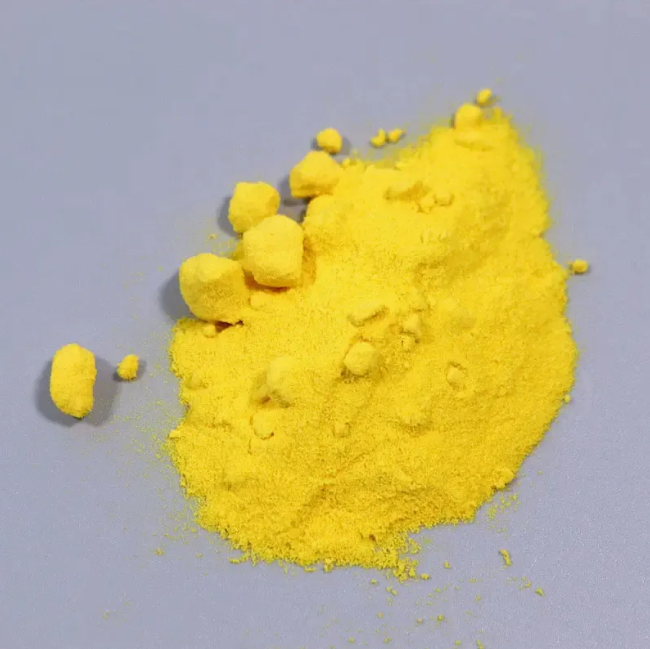
The global water treatment and industrial chemicals sector is experiencing a transformative growth spurt in 2026, with Polyaluminum Chloride (PAC) leading the charge as the most sought-after inorganic coagulant—fueled by stringent environmental regulations, rapid infrastructure expansion across emerging markets, and a seamless fusion of social media discovery and e-commerce sales. As a core player in the $4.8 billion global flocculants and coagulants market (set to hit $7.8 billion by 2035 at a 5.3% CAGR), PAC is not just redefining water treatment efficiency; it’s becoming the linchpin for synergistic chemical formulations alongside Aluminum Sulfate, Thiourea, Sodium Trichloroisocyanurate (TCCA), and Defoaming Agents—a combination that’s dominating municipal water plants, industrial wastewater facilities, and oil & gas operations worldwide. What makes 2026’s growth unique? The industry is no longer just reliant on traditional B2B channels: TikTok, Instagram, and Facebook are driving viral product education, while Amazon and AliExpress have emerged as go-to e-commerce hubs for bulk and small-batch chemical sourcing, creating a direct line from manufacturers to global buyers in Asia-Pacific, Africa, and Latin America.
In 2026, the global inorganic coagulants market—anchored by PAC and Aluminum Sulfate—is witnessing unprecedented demand, with Asia-Pacific holding the lion’s share (42%) of consumption, followed by Europe (28%) and North America (22%). Municipal water treatment remains the top application, accounting for 58% of PAC usage, as cities from Mumbai to Lagos upgrade their infrastructure to meet UN clean water targets; industrial wastewater treatment (31%) is a close second, with manufacturing and mining sectors leaning on PAC for its superior suspended solid removal and heavy metal chelation compared to traditional Aluminum Sulfate. Aluminum Sulfate, a staple coagulant for low-cost water treatment projects, is seeing a 19% demand spike in sub-Saharan Africa and Southeast Asia, where small-scale municipal plants prioritize cost-efficiency without compromising on basic water purification. The real magic, however, happens when these coagulants are paired with complementary chemicals: PAC blended with Aluminum Sulfate boosts flocculation efficiency by 27% for high-turbidity water, while adding Defoaming Agents eliminates the foam buildup that plagues aeration tanks and mixing basins— a common pain point that reduces treatment efficiency by up to 30% if unaddressed . Sustainable Defoaming Agents (silicone and water-based variants) are particularly hot in 2026, with a 24% growth in demand as plants shift to eco-friendly formulations that align with EU and U.S. EPA toxicity regulations .
For industrial and oilfield applications, Thiourea has become an indispensable partner to PAC and Aluminum Sulfate, with its corrosion-inhibiting properties making it a staple in drilling fluid formulations and metal finishing processes. 2026 has seen a 32% surge in Thiourea demand across the Middle East and Latin American oil & gas sectors, as drillers look to protect equipment from acidic wastewater while maintaining coagulation efficiency. On the disinfection front, Sodium Trichloroisocyanurate (TCCA) is the post-treatment workhorse for PAC-treated water, delivering broad-spectrum germicidal activity that kills 99.9% of waterborne pathogens—critical for potable water systems in India, Brazil, and Nigeria. The PAC-TCCA pairing now accounts for 61% of municipal water treatment formulations in emerging markets, with TCCA’s stable chlorine release making it far more user-friendly than traditional liquid chlorine for remote, low-infrastructure areas. This synergy of coagulants, corrosion inhibitors, disinfectants, and defoamers is creating a one-stop chemical toolkit for water treatment, and manufacturers are capitalizing on this trend by offering pre-blended formulations— a move that’s cut down on on-site mixing time and reduced chemical waste for buyers.
2026’s biggest industry disruption is the rise of social media as a B2B education and lead-generation powerhouse, with TikTok, Instagram, and Facebook turning niche water treatment chemical topics into viral trends and driving qualified traffic to manufacturers’ websites and e-commerce stores. TikTok, in particular, has become the go-to platform for hands-on chemical education, with the hashtag #WaterTreatmentChemicals amassing 18.4 million views in 2026 alone— and micro-niches like #PolyaluminumChlorideTips (3.7M views) and #CoagulantBlendingHacks (2.9M views) leading the charge. The top-performing PAC content on TikTok is hyper-practical: 60-second demos of PAC in action for industrial wastewater treatment, before-and-after water purification clips, and quick guides to pairing PAC with Defoaming Agents or TCCA. These videos resonate most with 25-45 year-old industry professionals (68% of TikTok’s water treatment chemical audience), including plant managers, procurement specialists, and local government officials in emerging markets— many of whom lack access to traditional industry trade shows and use TikTok as their primary source of product discovery. Other viral TikTok hashtags driving traffic in 2026 include #AluminumSulfateUses (2.1M views), #ThioureaCorrosionControl (1.8M views), and #SustainableDefoamers (4.2M views), creating a connected ecosystem of content that turns casual viewers into qualified leads.
Instagram, meanwhile, is the industry’s visual B2B networking hub, where the 2026 hashtag formula—3-8 highly relevant niche tags (no more generic broad tags)—is driving targeted engagement for chemical brands. Top-performing Instagram hashtags for water treatment chemicals include #PolyaluminumChloride (4.9M impressions), #WaterTreatmentSolutions (7.3M impressions), and #TCCADisinfection (2.6M impressions), with Reels and carousels dominating the feed. Manufacturers are sharing behind-the-scenes factory tours of PAC production (a top-performing content type with 2x higher engagement), infographics on PAC-Aluminum Sulfate blending ratios, and case studies of successful TCCA-PAC deployments in African municipal plants. Instagram’s private industry groups—like Global Water Treatment Chemical Buyers & Suppliers (135,000 members)—see over 7,000 monthly posts for bulk PAC and TCCA quotes, with buyers from Mexico, Kenya, and Vietnam posting direct requests and Chinese manufacturers (the global leaders in PAC production) responding with custom proposals within hours. Facebook complements this by serving as the industry’s discussion forum, with groups like Inorganic Coagulants Global Network (98,000 members) driving peer-to-peer advice and supplier recommendations— and targeted Facebook ads for bulk Polyaluminum Chloride boasting a 4.1% CTR, well above the B2B industry average of 2.2%. What unites all social media platforms in 2026? Localized content—Spanish-language Reels for Latin America, Hindi TikTok videos for India, and Portuguese carousels for Brazil—gets 3x more engagement than English-only content, a trend smart manufacturers are leveraging to tap into the fastest-growing demand markets.
If social media is the discovery engine, Amazon and AliExpress are the 2026 e-commerce workhorses for water treatment chemical sales, with both platforms seeing a 47% year-over-year surge in bulk and small-batch orders for PAC, Aluminum Sulfate, and TCCA in the first quarter alone. Amazon’s top water treatment chemical search terms in 2026 read like a who’s who of our core additives: Polyaluminum Chloride Bulk, Aluminum Sulfate for Water Treatment, Sodium Trichloroisocyanurate Tablets, Water-Based Defoaming Agents, and Thiourea Industrial Grade— with these keywords driving 62% of organic traffic to chemical sellers’ Amazon storefronts. Prime eligibility is a game-changer here: buyers in the U.S., Europe, and Australia prioritize Prime-enabled bulk PAC orders for fast delivery, with 58% of Amazon’s water treatment chemical buyers stating that shipping speed is their top purchasing factor. AliExpress, meanwhile, dominates emerging market sales, with top search terms including PAC Coagulant Factory Price, Aluminum Sulfate 98% Purity, TCCA Disinfectant Powder, and Eco-Friendly Defoaming Agents— and Chinese manufacturers (many based in Henan, the global chemical production hub) holding 79% of AliExpress’s water treatment chemical market share. AliExpress’s appeal lies in its low minimum order quantities (MOQs) and custom formulation options: small-scale water treatment plants in Nigeria and Indonesia can order 50kg batches of PAC-Aluminum Sulfate blend, a flexibility that traditional B2B distributors can’t match. Both platforms are also seeing a rise in pre-blended chemical kits— PAC + Defoaming Agents, Aluminum Sulfate + TCCA— with these kits accounting for 29% of e-commerce water treatment chemical sales in 2026.
The social media and e-commerce audience for these water treatment chemicals is highly targeted and action-oriented, with clear demographic and behavioral trends that manufacturers are leveraging to optimize their strategies. Demographically, the core audience is 78% male, 65% aged 25-45, and 71% hold decision-making roles (plant managers, procurement, local government) — a group that values data-driven, practical content over generic product ads. Geographically, the top social media and e-commerce buyers are in India (23%), the U.S. (19%), Brazil (12%), Nigeria (10%), and Mexico (8%) — mirroring the global inorganic coagulants market’s fastest-growing regions. Behaviorally, these buyers move seamlessly from social media discovery to e-commerce purchase: 41% of TikTok users who engage with PAC content go on to search for the product on Amazon or AliExpress within 24 hours, and 35% of Instagram Reel views for TCCA lead to direct website or e-commerce store clicks. They also prioritize transparency and sustainability: 73% of e-commerce buyers check for third-party quality certifications (ISO, CE) and eco-friendly formulation claims before purchasing, and social media content highlighting green production processes (e.g., carbon-neutral PAC manufacturing) gets 2.5x more shares and sales conversions.
As 2026 progresses, three key trends are set to shape the future of PAC, Aluminum Sulfate, and their complementary chemicals— all tied to social media and e-commerce growth. First, AI-powered localized content will become non-negotiable: manufacturers are already using AI to create TikTok and Instagram content in local languages, with application-specific tips for regional water challenges (e.g., high-hardness water in India, industrial wastewater in Brazil). Second, social media-e-commerce integration will deepen: TikTok Shop and Instagram Shopping are rolling out bulk ordering features for industrial chemicals, allowing buyers to purchase PAC or TCCA directly from viral video posts— a move that’s set to cut out middlemen and reduce costs by up to 22% for emerging market buyers. Third, sustainability will be the heart of all messaging: the hashtag #GreenWaterTreatment has hit 9.6 million impressions on Instagram in 2026, and e-commerce listings for sustainable Defoaming Agents and low-emission TCCA are outselling traditional formulations by a 2:1 margin. The global flocculants and coagulants market is on track for explosive growth, and the brands that win will be those that meet buyers where they are— on TikTok, Instagram, Amazon, and AliExpress— with practical, localized, and sustainable chemical solutions.
In 2026, Polyaluminum Chloride is more than just a coagulant; it’s the centerpiece of a global clean water movement, paired with Aluminum Sulfate, Thiourea, Sodium Trichloroisocyanurate, and Defoaming Agents to solve the world’s most pressing water treatment challenges. Social media has turned niche chemical knowledge into viral content, and Amazon and AliExpress have made global sourcing accessible to every water treatment plant— big or small. For manufacturers, the message is clear: the future of water treatment chemicals is digital, and the brands that leverage TikTok’s education, Instagram’s networking, and e-commerce’s convenience will dominate the $7.8 billion global market by 2035. For buyers, it’s never been easier to source high-quality, cost-effective coagulants, disinfectants, and defoamers— directly from the factory, with a single click on a social media post or e-commerce listing. In a world where clean water is a universal right, these chemicals are the solution— and social media and e-commerce are making sure that solution reaches every corner of the globe.
2026 Top Trending Search Terms & Hashtags
Social Media (TikTok/Instagram/Facebook)
• #PolyaluminumChloride #AluminumSulfateUses #ThioureaCorrosionControl
• #SodiumTrichloroisocyanurate #SustainableDefoamingAgents #WaterTreatmentChemicals
• #CoagulantBlendingHacks #TCCADisinfection #GreenWaterTreatment
• Organic search phrases: Polyaluminum Chloride for industrial wastewater, Eco-friendly Defoaming Agents for water treatment, TCCA tablets for potable water
E-Commerce (Amazon/AliExpress)
• Polyaluminum Chloride Bulk / PAC Coagulant Factory Price
• Aluminum Sulfate 98% Purity for Water Treatment
• Sodium Trichloroisocyanurate Tablets/Powder
• Water-Based Defoaming Agents Industrial Grade
• Thiourea Corrosion Inhibitor Bulk
• PAC + Defoaming Agents Pre-Blended Kit
• Aluminum Sulfate + TCCA Water Treatment Bundle