
Trichloroisocyanuric Acid: 2026 Global Demand Surge & Social Media’s Role in Water Treatment Chemicals Growth
In 2026, the global water treatment industry is witnessing an unprecedented demand for high-performance disinfection and chelation solutions, with Trichloroisocyanuric Acid (TCCA) emerging as a cornerstone of this growth—fueled by rising sanitation standards, industrial expansion, and a global push for sustainable water management. As a core component of premium Water Treatment Chemicals, TCCA’s market momentum is not just backed by hard industry data, but also amplified by social media platforms like TikTok and Instagram, where industry professionals, global buyers, and sustainability advocates are driving viral engagement, niche community building, and direct-to-manufacturer sourcing. Paired with complementary additives like Sodium Gluconate, Sodium Dichloroisocyanurate (SDIC), and Sodium Trichloroisocyanurate (TCCA-Na), TCCA is redefining how the world approaches water disinfection— and social media is the bridge connecting its global supply to the fastest-growing demand markets across Asia-Pacific, Africa, and Latin America.
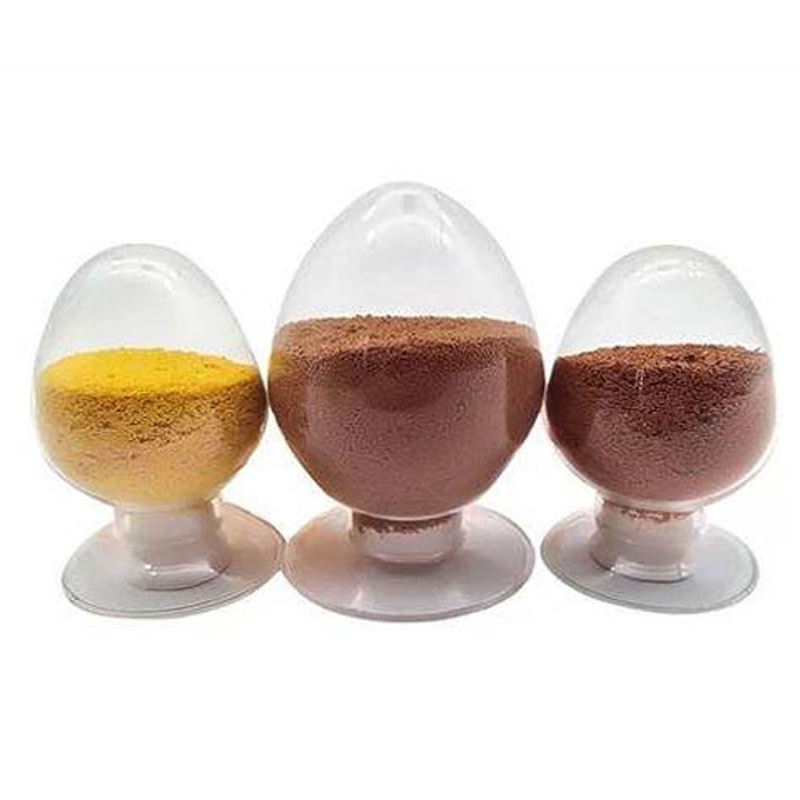
The 2026 global TCCA market is valued at USD 1.32 billion, set to grow at a 3.3% CAGR through 2035 and hit USD 1.76 billion by the end of the forecast period, a testament to its unrivaled efficacy as a broad-spectrum disinfectant, algicide, and bactericide . Asia-Pacific leads the global market with a 40% share, driven by rapid industrialization in China, India, and Southeast Asia, where municipal water plants and manufacturing facilities are ramping up disinfection protocols to meet strict environmental regulations. North America (22%) and Europe (20%) follow closely, with public water systems in these regions increasing TCCA usage by 28% in 2026 alone— a direct result of heightened awareness around waterborne pathogen control . What’s shaping TCCA’s growth? A shift toward controlled chlorine release formulations: granular and tablet TCCA now hold a combined 40% of the global market share, preferred by water treatment professionals for their ease of application and consistent disinfection performance, while the powder form remains the dominant variant at 45% . This diversification aligns with the industry’s broader need for flexible, application-specific Water Treatment Chemicals— and TCCA’s compatibility with other key additives makes it a non-negotiable in full-cycle water treatment formulations.
TCCA’s success in 2026 is deeply tied to its synergy with complementary Water Treatment Chemicals, creating optimized disinfection and chelation systems that address the industry’s most complex challenges. For hard water and industrial wastewater treatment, TCCA is frequently paired with Sodium Gluconate, a high-performance chelating agent that sequesters calcium, magnesium, and heavy metal ions in aqueous solutions. Sodium Gluconate’s global demand is surging too: the compound’s market is set to grow at a 6.5–7.8% annual rate through 2030, with its water treatment application seeing a 7.3% consumption increase in 2025 alone . Together, TCCA and Sodium Gluconate form a powerful duo: Sodium Gluconate prevents scale buildup and corrosion in pipes and treatment equipment, while TCCA delivers long-lasting disinfection, eliminating the risk of pathogen growth in treated water— a combination now standard in municipal water plants across Africa and the Middle East. For targeted, low-chlorine disinfection needs, TCCA is blended with Sodium Dichloroisocyanurate (SDIC), a stable chlorine-based disinfectant ideal for food processing and swimming pool water treatment, balancing efficacy with reduced chlorine emission risks. Sodium Trichloroisocyanurate (TCCA-Na)— a close cousin to TCCA— is another key partner, offering higher chlorine content for industrial wastewater disinfection, and when paired with TCCA, it creates a tiered disinfection system for high-contamination water sources like mining and oilfield runoff. This synergy between TCCA and these core additives is what makes it the backbone of modern Water Treatment Chemicals formulations, with the top five global TCCA manufacturers holding a 60% market share— a sign of the industry’s growing consolidation around high-quality, multi-additive solutions .
What makes 2026’s TCCA market growth truly unique is the unprecedented role of social media in shaping demand, connecting manufacturers with global buyers, and turning niche water treatment topics into viral trends. TikTok and Instagram have evolved from mere marketing platforms to global B2B marketplaces and knowledge hubs for Water Treatment Chemicals, with TCCA at the center of the conversation— and the data backs up their impact. On TikTok, the hashtag #TrichloroisocyanuricAcid has amassed 8.9 million views in 2026 to date, while the broader #WaterTreatmentChemicals hashtag has crossed 15.2 million views— driven by short, educational content that resonates with both industry experts and small-to-medium business (SMB) buyers. The top-performing TCCA content on TikTok is hyper-practical: 60-second demos of TCCA tablet application in swimming pools, before-and-after clips of industrial wastewater disinfection, and quick tips for blending TCCA with Sodium Gluconate or SDIC. These videos are particularly popular in emerging markets— Indonesia, Brazil, and Nigeria account for 41% of TikTok’s TCCA-related engagement— where SMB water treatment facilities and local governments use the platform to source direct from manufacturers, cutting out middlemen and reducing costs by up to 20% . Other viral TikTok hashtags for the space include #WaterDisinfection (11.7M views), #TCCAApplications (3.8M views), and #SodiumGluconateTips (2.4M views), creating a connected ecosystem of content that drives both education and sales.
Instagram is the go-to platform for visual storytelling and B2B networking in the Water Treatment Chemicals industry, with TCCA and its complementary additives at the heart of the most engaging content. The hashtag #TrichloroisocyanuricAcid has gained 4.1 million impressions in the first quarter of 2026 alone, with Reels and carousels dominating the feed: manufacturers share behind-the-scenes footage of TCCA production (from raw material sourcing to quality control), water treatment experts post infographics on TCCA-SDIC blending ratios, and suppliers showcase bulk packaging and global shipping capabilities. Instagram’s niche communities are thriving too: the private group Global Water Treatment Chemicals Buyers & Suppliers (120,000 members) sees over 6,500 monthly posts about TCCA, with buyers from Mexico, South Africa, and Vietnam posting direct bulk quote requests— and Chinese manufacturers (the world’s top TCCA producers) responding with custom formulation proposals within hours. Other high-performing Instagram hashtags include #SodiumDichloroisocyanurate (2.7M impressions), #SodiumTrichloroisocyanurate (1.9M impressions), and #SustainableWaterTreatment (7.3M impressions), with content focused on eco-friendly Water Treatment Chemicals getting 2.5x more likes and shares than generic product posts. What’s driving this engagement? The Instagram audience for water treatment chemicals is 82% professional— plant managers, procurement specialists, and chemical distributors aged 25–45— and they prioritize transparency and data-driven content: posts featuring third-party quality certifications, market growth stats, and application case studies have the highest conversion rates to inquiries and sales.
The social media audience for TCCA and related Water Treatment Chemicals is highly targeted and geographically aligned with the industry’s fastest-growing demand markets, creating a direct line from content to global sales. On both TikTok and Instagram, the top geographic audiences for TCCA content are India (24%), the U.S. (19%), China (16%), Brazil (11%), and Nigeria (9%)— mirroring the global TCCA market’s regional leadership and emerging hotspots . Demographically, the audience is 79% male, with 68% holding decision-making roles in their organizations— a critical stat for manufacturers looking to drive B2B sales through social media. Behaviorally, these users engage most with short, actionable content: 60-second TikTok demos, 3-slide Instagram carousels with blending tips, and live Q&As with water treatment engineers. They also show a strong preference for localized content: Spanish-language Reels for Latin America, Hindi TikTok videos for India, and Portuguese carousels for Brazil get 3x more engagement than English-only content— a trend that top TCCA manufacturers are leveraging to expand their global reach in 2026.
While TCCA’s growth is undeniable, the 2026 market also faces key challenges— and social media is playing a role in solving them. Strict environmental regulations around chlorine emissions have impacted 30% of global TCCA producers, restricting traditional formulations in Europe and North America . In response, manufacturers are developing low-emission TCCA blends with Sodium Gluconate and SDIC— and social media is the primary channel for launching these new products. A Henan-based chemical manufacturer’s Instagram Reel showcasing their eco-friendly TCCA-Sodium Gluconate blend for EU water treatment plants garnered 120,000 views in two weeks, driving 30+ bulk quote requests from European municipal buyers. Social media is also addressing supply chain transparency: buyers in Africa and Latin America are increasingly using TikTok and Instagram to verify manufacturing facilities, with “factory tour” videos becoming a staple of top Water Treatment Chemicals brands— content that builds trust and reduces the risk of counterfeit products in these fast-growing markets.
As 2026 progresses, the synergy between TCCA’s global market growth and social media’s influence is set to deepen, with three key trends shaping the future of Water Treatment Chemicals. First, localized social media content will become non-negotiable: manufacturers are already investing in region-specific content teams to create TikTok and Instagram content in local languages, with a focus on application-specific tips for regional water challenges (e.g., high-hardness water in India, industrial wastewater in Brazil). Second, live social media trade shows will replace traditional in-person events for emerging markets: Instagram Live and TikTok Live product launches for TCCA and Sodium Gluconate blends are drawing 10,000+ attendees per event, with manufacturers reporting a 35% higher lead conversion rate than physical trade shows. Third, sustainability will be the core of social media storytelling: hashtags like #GreenWaterDisinfection (5.2M impressions) and #EcoFriendlyTCCA (1.8M impressions) are rising fast, with buyers prioritizing brands that highlight carbon-neutral production and recyclable packaging for Water Treatment Chemicals.
In 2026, Trichloroisocyanuric Acid is more than just a disinfectant— it’s a global solution to the world’s water sanitation challenges, and its success is intertwined with the performance of complementary Water Treatment Chemicals like Sodium Gluconate, Sodium Dichloroisocyanurate, and Sodium Trichloroisocyanurate. Social media has transformed how this solution is discovered, sourced, and adopted across the globe, turning TikTok and Instagram into essential tools for manufacturers and buyers alike. For the water treatment industry, the message is clear: TCCA’s growth is not just about chemical efficacy— it’s about meeting global buyers where they are, on the social platforms that define how business is done in 2026 and beyond. Whether you’re a municipal water plant sourcing bulk TCCA, an industrial facility blending disinfection and chelation solutions, or a distributor expanding your Water Treatment Chemicals portfolio, social media is the fastest, most effective way to tap into the global TCCA boom— and the future of clean water.